
The Benefits of Play-Based Learning for Children
- Dec 9, 2025
- 4 min read
As a parent, I know how important it is to find the best ways to support our little ones as they grow. Play-based learning is a wonderful approach that nurtures children’s natural curiosity and joy. It’s not just about fun - it’s a powerful way for children to develop essential skills in a safe and loving environment. When children play, they are learning in the most natural and effective way possible.
Understanding Play-Based Learning Benefits
Play-based learning is an educational approach where children learn through play. It encourages exploration, creativity, and problem-solving. This method respects each child’s pace and interests, making learning feel like a joyful adventure rather than a chore.
One of the key benefits is that play helps children develop social skills. When kids play together, they learn to share, take turns, and communicate. These early social interactions build the foundation for healthy relationships throughout life. Play also supports emotional development by allowing children to express feelings and work through challenges in a safe space.
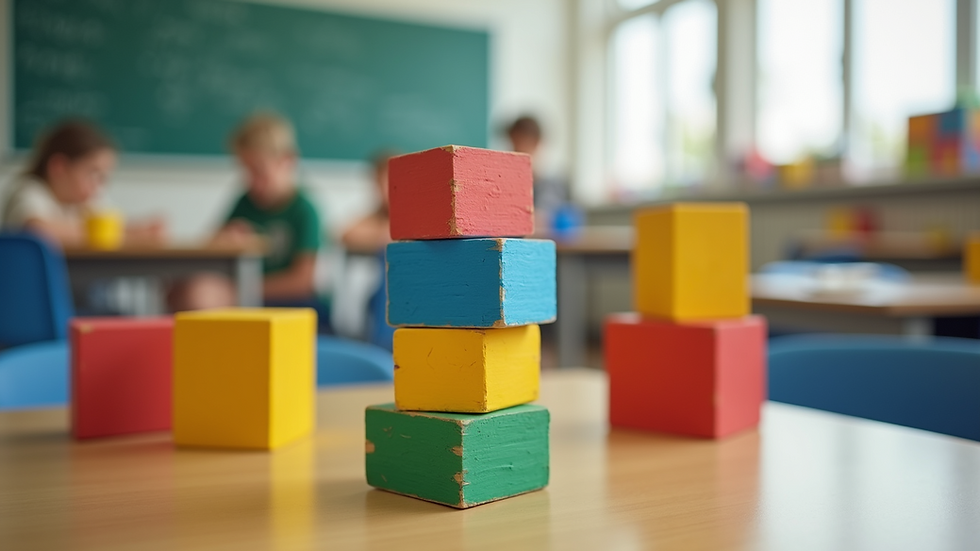
Cognitive skills grow as children engage in imaginative play, puzzles, and games that require thinking and planning. For example, building with blocks helps with spatial awareness and fine motor skills. These experiences prepare children for more structured learning later on.
How Play-Based Learning Supports Early Development
From infancy through preschool, children’s brains are rapidly developing. Play-based learning taps into this critical period by offering hands-on experiences that stimulate brain growth. For toddlers, simple activities like sorting shapes or playing with water teach cause and effect, while preschoolers benefit from role-playing and storytelling to develop language and creativity.
In my experience, children who engage in play-based learning tend to be more confident and curious. They are not afraid to try new things because they see mistakes as part of the fun. This mindset is invaluable as they grow and face new challenges.
Here are some specific ways play-based learning supports development:
Language skills: Through conversations during play, children expand their vocabulary and learn to express themselves.
Physical skills: Activities like climbing, running, and manipulating small objects improve coordination and strength.
Problem-solving: Games and puzzles encourage children to think critically and find solutions.
Self-regulation: Play helps children learn to manage emotions and behaviors in social settings.
Creating a Play-Based Learning Environment at Home
You don’t need a fancy setup to bring play-based learning into your home. The key is to provide a variety of materials and opportunities for open-ended play. Here are some practical tips:
Offer diverse materials: Items like blocks, art supplies, dress-up clothes, and natural objects (like pinecones or shells) invite creativity.
Create cozy spaces: A small corner with cushions and books can become a quiet retreat for imaginative play.
Encourage outdoor play: Nature is a rich classroom where children can explore textures, sounds, and movements.
Limit screen time: While technology has its place, hands-on play is essential for young children’s development.
Join in the fun: Play alongside your child to model social skills and deepen your connection.
Remember, the goal is not to direct every moment but to support your child’s interests and discoveries. This approach builds confidence and a love for learning that lasts a lifetime.

Supporting Emotional and Social Growth Through Play
Play-based learning is especially powerful for emotional and social development. When children engage in pretend play, they practice empathy by taking on different roles. This helps them understand others’ feelings and perspectives.
In group play, children learn cooperation and conflict resolution. For example, negotiating roles in a game teaches patience and fairness. These skills are essential for building friendships and succeeding in school.
At Pango Childcare Group, we see firsthand how a warm, play-based environment helps children feel safe and valued. This emotional security encourages them to take risks and explore new ideas. It’s a beautiful cycle of growth that families can cherish.
Encouraging Lifelong Learning Through Play
Play-based learning lays the groundwork for a positive attitude toward education. When children associate learning with joy and discovery, they are more likely to stay engaged as they grow older. This foundation supports academic success and personal fulfillment.
As parents, we can nurture this by celebrating curiosity and effort rather than just results. Asking open-ended questions like “What do you think will happen if…?” invites children to think deeply and share their ideas.
If you’re interested in learning more about how play-based learning can benefit your child, I encourage you to explore resources from trusted organizations and local programs. At Pango Childcare Group, our goal is to provide a safe, nurturing, and inspiring space for young children to grow. We aim to be Coquitlam’s most trusted licensed daycare, where every child develops a love for learning and is supported emotionally, socially, and academically - all within a warm, play-based environment backed by current research.
By embracing play-based learning, we give our children the best start in life - one filled with joy, confidence, and endless possibilities. Let’s celebrate the power of play together.
Thank you for joining me in this conversation about the benefits of play-based learning. I hope you feel inspired and supported as you nurture your child’s growth through play. Remember, every moment of play is a step toward a bright future.


Comments